
SF Cultural Heritage
Community knowledge. Shared history. Important places.
SF Cultural Heritage is San Francisco’s historic preservation program. It brings together community knowledge, cultural history, and preservation tools to recognize and care for the places and traditions that matter to San Francisco’s diverse communities.
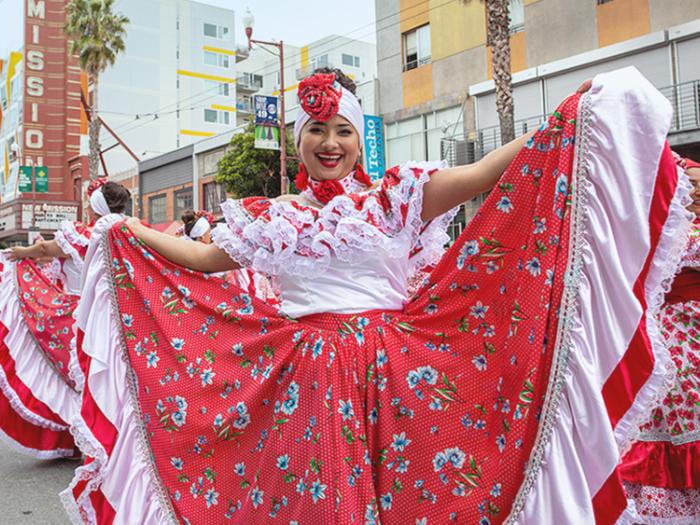
Cultural heritage includes tangible places, such as buildings, sites, and districts, as well as intangible heritage, including traditions, creative expression, cultural practices, and community knowledge. It lives in the spaces where people gather, organize, and sustain community life, reflecting how generations of residents have contributed to San Francisco’s identity and continue to influence it today.
While the City’s formal preservation tools primarily apply to physical places, SF Cultural Heritage recognizes that traditions, practices, and community memory are equally vital parts of the city’s heritage and help give meaning to those places. Caring for cultural heritage strengthens connections between people and place while honoring the past and guiding the city’s future as it grows and changes.
SF Cultural Heritage is a shared effort led by the San Francisco Planning Department in partnership with community members, historians, cultural practitioners, and other City agencies. As a Certified Local Government, SF Planning works within state preservation standards while prioritizing local values, community knowledge, and public participation.
How SF Cultural Heritage Works
SF Cultural Heritage is shaped by community knowledge, research, and policy. The programs below provide a framework to help us understand, identify, and care for cultural and historic resources across the city.
SF Histories – Understanding Our Shared History
SF Histories are captured through Historic Context Statements (HCS), written research documents that provide a shared understanding of our city’s history and lived experiences.
HCS provide the context that guide how places are identified through SF Survey and considered in planning and landmark designation decisions.
SF Survey – Identifying Historic and Cultural Resources
The Citywide Cultural Resources Survey (SF Survey) identifies places connected to San Francisco’s cultural life, architecture, and history. Using research, fieldwork, and community input, SF Survey identifies buildings, sites, and districts across the city to assess their historical, architectural, and/or cultural importance.
Community knowledge plays a central role in shaping what is studied and how places are evaluated. While SF Survey focuses on physical places, it also considers intangible resources, including traditions, events, and community practices that give those places meaning.
SF Places – Recognizing Important Places
SF Places focuses on formal recognition and stewardship. Drawing on Historic Context Statements, SF Survey findings, and community input, the City determines whether a place meets the criteria for landmark designation.
Landmark designation is the City’s primary tool for officially designating places of cultural, architectural, or historical importance.
In addition to landmark designation, commemorative tools such as plaques, signage, and interpretive panels acknowledge important places, people, and events.
Community Engagement and Partnerships
Community engagement is central to SF Cultural Heritage. Community knowledge identifies what matters to San Franciscans, shapes how histories are understood, and guides how cultural heritage is recognized and cared for across the city.
SF Cultural Heritage’s community engagement approach centers on inclusive, community-driven participation throughout the development of historic context statements, survey and evaluation work, and landmark designation. The Planning Department collaborates with community organizations, cultural districts, historians, community knowledge bearers, and residents to identify and document places and traditions that reflect the city’s diverse histories.
Engagement activities such as community briefings, neighborhood conversations, workshops, and digital tools invite communities to share stories, contribute knowledge, and review draft findings that inform historic context statements, survey evaluations, and landmark designation. This approach prioritizes communities historically underrepresented in preservation planning and ensures that community knowledge helps guide decisions about cultural heritage recognition, historic resource evaluation, and future preservation or landmark designation efforts.
Historic Preservation Commission
The Historic Preservation Commission (HPC) plays a key role in advancing SF Cultural Heritage through public review and decision-making.
As part of this work, the HPC:
- Adopts Historic Context Statements, which build shared understanding of the city’s history and cultural framework.
- Adopts SF Survey findings, which identify and evaluate properties that may qualify as historic resources.
- Approves proposed landmark designations and makes recommendations to the Board of Supervisors for formal recognition.
- Reviews changes to designated landmarks and historic districts, helping guide their long-term stewardship.
Public Hearings and Adoption
SF Histories & SF Survey: The HPC holds public hearings before adopting Historic Context Statements and SF Survey findings. Adoption formally recognizes these materials as part of the City’s preservation framework and allows them to guide future research, survey work, and planning decisions. Historic Context Statements and SF Survey findings are living documents that may be updated, expanded, or refined over time as new information and community knowledge emerge.
SF Places: For landmark designation, the HPC reviews nominations in public hearings and forwards its recommendation to the Board of Supervisors. Final approval requires action by the Board and signature by the Mayor. Adoption establishes a formal designation that provides recognition and regulatory protections for the landmark.
Through this process, the HPC helps ensure that community knowledge, research, and public input inform how the City understands, identifies, and formally recognizes significant places.
Information and References
These tools and resources support cultural heritage efforts and can help communities, property owners, and advocates better understand available protections and opportunities.
“Safeguarding cultural heritage” means supporting the continued care, use, and meaning of places and traditions that communities value. In San Francisco, this work takes many forms. The tools below represent the primary ways the Planning Department recognizes cultural heritage and guides change, while additional efforts across City agencies support living traditions and community-serving spaces.
Together, these approaches help ensure that cultural heritage remains active and meaningful as the city evolves.
Planning Department Recognition and Planning Tools
City Landmarks and Landmark Districts
San Francisco recognizes important places through its official list of City Landmarks and Landmark Districts, established under Article 10 of the Planning Code.
City Landmarks are individual buildings, structures, or objects with cultural, architectural, and/or historical significance. Landmark Districts are areas made up of multiple historic resources that share a common history, design, or cultural identity.
Landmark designation formally recognizes these places and provides a framework for their long-term care. Owners of Landmark properties, or contributing buildings within Historic Districts, may also be eligible for preservation incentives, including property tax relief through the Mills Act. More details are available in Preservation Bulletins No. 5, 9, and 10.
Related resources
Buildings and Conservation Districts
Conservation Districts are located primarily in San Francisco’s downtown and are regulated by Article 11 of the Planning Code.
These districts protect groups of buildings based on their architectural quality and their contribution to the overall character of downtown.
Unlike individual landmarks, Conservation Districts focus on preserving the collective look and feel of an area rather than the individual history of a single building. Planning rules help guide changes so that new development fits with the scale, design, and patterns of the surrounding area.
Related Resources
Preservation Incentives
Preservation incentives support the continued use and care of historic and cultural places.
The Mills Act is a state authorized program that provides property tax relief to owners of qualified historic buildings who agree to maintain and preserve their properties. In San Francisco, the Mills Act can offer significant tax savings in exchange for a long-term commitment to care for a historic resource in accordance with standards established by the Secretary of the Interior's Standards for the Treatment of Historic Properties.
In addition to the Mills Act, other preservation incentive programs may be available to support the continued use and care of historic and cultural places.
CEQA and Cultural and Historical Resources
The California Environmental Quality Act (CEQA) requires the City to consider potential environmental impacts, including impacts to cultural and historic resources, when it applies to a project. Some projects are ministerial (projects that meet zoning and code requirements and do not involve discretionary review) and are not subject to CEQA review.
When CEQA applies, the City evaluates whether a property may qualify as a historic resource and whether proposed changes could result in a substantial adverse impact. CEQA is one of several processes used to consider historic status. Historic Resource Review and the Citywide Cultural Resources Survey also help determine whether properties meet historic resource criteria.
Together, these processes help ensure that cultural and historic places are thoughtfully considered as San Francisco grows and changes.
Additional Citywide Safeguarding Efforts
Cultural heritage is also supported through efforts led by other City agencies.
Cultural Districts
San Francisco’s Cultural Districts recognize areas defined by shared social and cultural traditions, community life, and ongoing activities such as arts, commerce, services, and events. While Cultural Districts have geographic boundaries, they are primarily identified by the cultural practices and community life that take place within them.
Each Cultural District’s Cultural History, Housing, and Economic Sustainability Strategy (CHHESS) Reports serve as the guiding documents with strategies for community stabilization and cultural continuity.
Legacy Business Registry
The Legacy Business Registry helps recognize and support longstanding, community-serving businesses that contribute to San Francisco’s cultural identity. These businesses often play an important role in sustaining neighborhood life, traditions, and social connections. The Registry is administered by the City’s Office of Small Business and Small Business Commission, with advisory input from the Historic Preservation Commission.
SF Cultural Heritage is for renters, homeowners, cultural workers, youth, elders, business owners, advocates, and anyone who cares about the stories and places that shape San Francisco. This important work is ongoing and collaborative with many ways to get involved.
Share Your Story
Opportunities to participate in SF Survey work, attend outreach events, and review findings are announced as survey efforts move forward. Information about current survey areas, findings, and ways to get involved is available on this page.
Want to get involved? You can:
- Share Your Stories about places that matter
- Participate in surveys, interviews, and research
- Attend community events and public meetings
- Help identify cultural spaces, traditions, and sites
- Stay connected as this work continues
Sign up for Updates!
Receive news from the SF Survey project – this may include newsletters, events, and updates when there is important news to share. You may unsubscribe at any time.