
Planning Director Bulletin No. 11: Housing Choice - SF Program
First Issued: February 2026
References: Planning Code 206.10
Background
On December 12, 2025, Mayor Lurie signed the Family Zoning Plan into law, which amended the Planning Code, Zoning Map, and General Plan to allow denser and taller housing and to introduce additional zoning changes that reduce development constraints and support other City policy objectives.
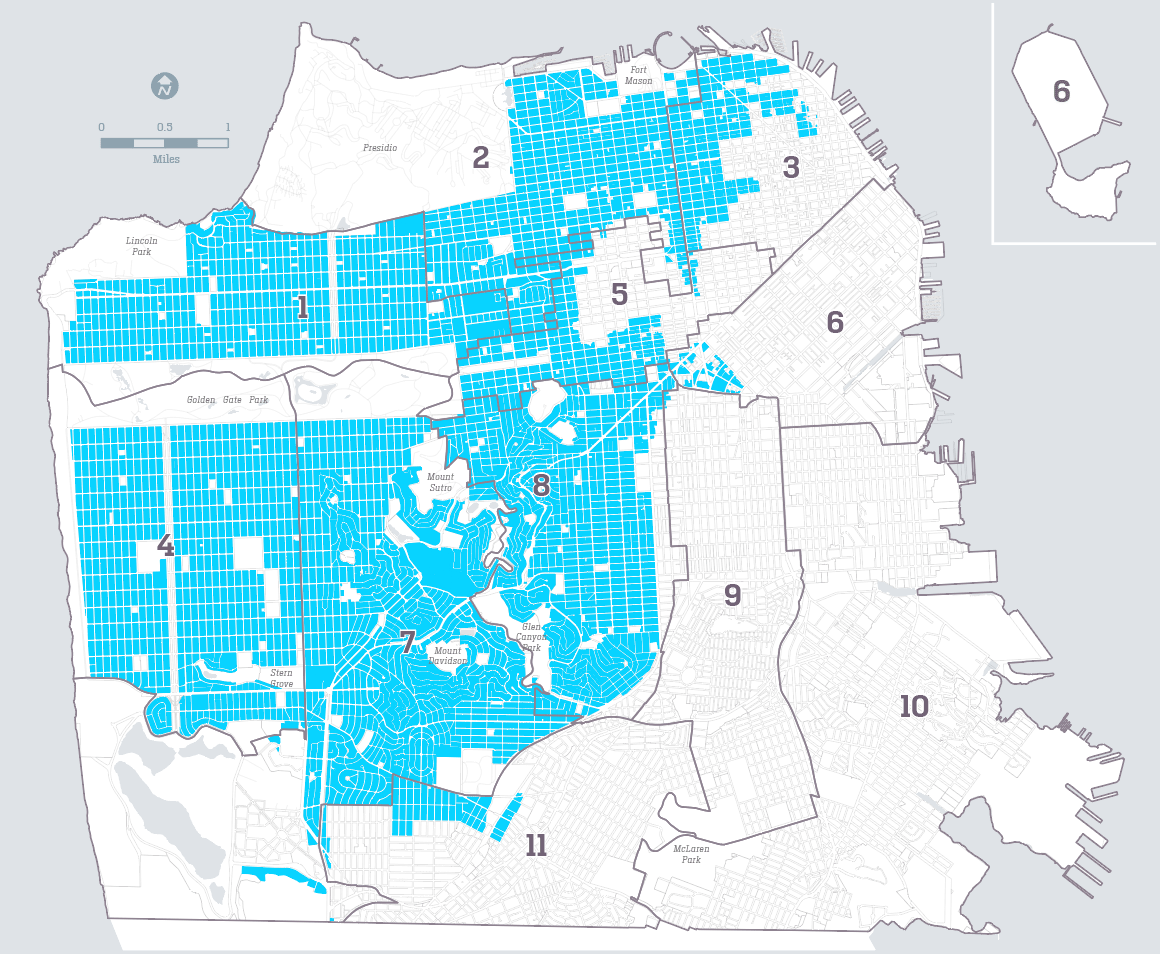
The Family Zoning Plan rezoned substantial portions of the western and northern areas of the City, illustrated in Figure 1. The Plan also established the Housing Choice-San Francisco Program ("HC-SF Program"), which provides an optional alternative to programs like the State Density Bonus Program, and offers additional development capacity for housing projects beyond what is permitted under base zoning controls.
Click on map to view larger.
Figure 1. Family Zoning Plan - Rezoned Area
This map illustrates the geographic distribution of the Family Zoning Plan's Rezoned Area across San Francisco's 11 Supervisor Districts. The rezoning is heavily concentrated in the western and central portions of the city, completely covering District 1 (Richmond), District 4 (Sunset), District 7 (Inner Sunset/West of Twin Peaks), and District 8 (Castro/Noe Valley) and partially covering District 5 (Western Addition and Haight Ashbury) on the westerns and southern edge. District 11 (Ocean View, Ouer Mission and Excelsior) shows minimal coverage along Ocean Avenue south towards Lakeview Avenue and east along the Geneva Avenue-Balboa Park BART station corridor ending at Delano Avenue. District 6 (SoMa, Mission) coverage occurs in the area of South Van Ness Avenue and Mission Street with a small portion along Market Street. District 9 (Mission) covers a very small area where Guerrero meets Duboce Avenue.
Unlike some programs such as the State Density Bonus, The HC-SF Program operates within specific defined parameters, including height and bulk controls and defined modifications to base zoning and objective standards. HC-SF does not require the provision of on-site affordable housing or other mandatory project commitments in order to access the additional development capacity and code modifications. It does require projects to abide by Planning Code standards, except as modified or provided for by the program itself.
Projects utilizing the program are provided with a streamlined administrative approval pathway. Projects using the Program may also utilize various ministerial approval provisions under local and state law, subject to eligibility criteria. In addition to the modifications to development standards expressly provided in the program, projects also have the option to seek additional modifications beyond those described in The HC-SF Program through a discretionary Major Modification process.
Contents
Who Can Use It?
Site Eligibility
Sites within the R-4 Height and Bulk District are eligible.1 (Section 206.10(b)(3))
Project Type Eligibility
General: Projects that involve new construction, additions, or building conversions, that also include both (1) a net increase in the number of Dwelling Units or Group Housing bedrooms, and (2) two or more residential units or two or more Group Housing bedrooms. (Sections 206.10(b)(1) and (2))
- For example, a project that demolishes a single-family house and constructs a new single-family house is not eligible.
- A project that involves the alteration of a single-family house and construction of one additional unit that is not classified as an ADU is eligible.
Mixed-Use Projects: At least 2/3 of the project's new or converted square footage must be residential. If, however, a project includes the conversion of existing non-residential square footage to residential square footage and does not expand that non-residential use by more than 25%, at least 50% of the project's total square footage must be residential to be eligible. Note that basements do not count toward this square footage calculation. Further, if a project includes the addition to or conversion of an existing building, only the new or converted square footage is counted in the square footage calculation. (Section 206.10(b)(7))
Objective Standards: Projects must meet all Objective Standards of the Planning Code and adopted Design Standards other than any modifications or relief from such standards as further described in this Bulletin and in Planning Code Sections 206.10 and 334. In cases where a modification to a Planning code requirement conflict with a Design Standard, the allowable modification permitted through HC-SF prevails.2 (Section 206.10(b)(6))
Exclusions from Eligibility
Projects Seeking Density/Development Bonuses or Relief from Objective Standards Using Other Programs: Projects that seek to utilize density and development bonuses or relief from San Francisco's Planning Code and adopted Objective Standards via any other program under local or state law other than HC-SF, including but not limited to the State Density Bonus Program, HOME-SF, or similar State or local program are ineligible.3 (Section 206.10(b)(5))
Demolition of Existing Units: Projects that include demolition of any residential unit(s) on a site with more than two (i.e. three or more) existing rent-controlled units are ineligible. (Section 206.10(b)(9))
Demolition or Conversion of Hotel Uses: Projects that include demolition or conversion of any portion of a Hotel are ineligible.4 (Section 206.10(b)(10))
Development Agreements: Except those projects within the SFMTA Non-Contiguous SUD, projects within SUDs that implement Development Agreements are ineligible. (Section 206.10(b)(8))
Demolition of Listed Historic Buildings: A project is ineligible if it would demolish any building designated as a landmark under Article 10, is listed as a contributor to an historic district in Article 10, is listed as a Significant or Contributory Building under Article 11, is listed in the California Register of Historic Resources, or is listed on the National Register of Historic Places. (Section 206.10(b)(4))
What Are The HC-SF Program Features and Benefits?
Affordable Housing Requirement
The HC-SF Program provides broad flexibility in meeting the affordable housing requirement of Planning Code Section 415 and/or Section 419.5 In addition to satisfying units on-site, through payment of the in-lieu fee, or through the rent-control option (Code Section 436), projects using the HC-SF Program may satisfy their affordable housing requirement through the Land Use Dedication Option and/or Off-Site Alternative. However, different from elsewhere in the City, an off-site location for any Land Use Dedication or Off-Site Alternative is required to either be within the R-4 Height and Bulk District or within 1/2 mile of the Project site. (Section 206.10(c)(2)).
Applicants will declare their method of compliance using the Inclusionary Affordable Housing Affidavit of Compliance.
Additional Height
General: HC-SF projects may be built to the higher of the two R-4 height limit designations as provided in the San Francisco Zoning Map and as described in Planning Code Sections 263.19(b) and 270(i).
Description of the R-4 Height and Bulk Designation
General Description. In most cases, the R-4 height designation is expressed as:
[base height] // [HC-SF Program height]-R-4
The allowed height for projects not pursuing the HC-SF Program is described to the left of the double slash, and heights for projects pursuing the HC-SF Program is described to the right of the double slash.
As an example, an R-4 Designation of "50//85-R-4" indicates that the base height limit for this site is 50 feet. This is the generally applicable height limit and is used to establish the base for any bonus or code relief programs other than The HC-SF Program (e.g. HOME SF or State Density Bonus). A housing project choosing to use the HC-SF Program may use the higher height and can be built up to 85 feet tall.
Description of Podium and Tower Height Designations. Where height designation includes height limits for both building podiums and for building towers, the height designation is expressed as:
[base podium height] / [base tower height] // [HC-SF Program podium height] / [HC-SF Program tower height]-R-4
The podium heights for both the base and HC-SF Program scenarios are shown to the left of the single slashes and the tower heights for both scenarios are to the right of the single slashes.
As an example, a R-4 designation of 85/120 // 105/400 - R-4 indicates that a HC-SF Program project's podium would be limited to 105 feet in height and its tower would be limited to 400 feet in height. A project pursued outside of The HC-SF Program would have its podium height limited to 85 feet and its tower limited to 120 feet in height. These would be the "base heights" for projects utilizing bonus programs outside of The HC-SF Program, such as the state density bonus. (Sections 206.10(d) (1) (C) and 263.19(b))
Additional Height Provisions for All Projects within the R-4 Height and Bulk District
Five-Feet Height Bonus: Projects in R-4 Height Districts with height limits of 40, 50, or 80 feet can incorporate up to five additional feet of height where the additional height is used at the ground floor of the building to provide a taller ground floor. The additional height can only be as much as the additional height provided at the building's ground floor. (Section 263.20)
Tower Bulk: Portions of buildings above 85 feet in height or above a given podium height limit are subject to the bulk controls of Planning Code Section 270(i) and as illustrated in Citywide Design Standards C.3. Where podium heights are not provided within the R-4 Height and Bulk designation, the assumed podium height is 85 feet. (Section 270(i))
Height Measurement on Sloping Lots: For HC-SF Program projects, the provisions for measuring heights on sloping lots apply to buildings with heights up to 85 feet as provided in Tables 260-1 and 260-2. (Section 260(a) (4) / Table 260-2)
Additional Height Provisions for HC-SF Projects
RH District Height Restrictions Do Not Apply: Height restrictions otherwise required under Planning Code Section 261 that further restrict heights in RH-1 and RH-2 under conditions described therein, do not apply to HC-SF Program projects. (Section 206.10(c)(1)(C))
Heights on Corner Lot or Large Lots: Notwithstanding the mapped height limits of less than 65 feet, HC-SF Program projects on Corner Lots (see Planning Code Section 102 for Corner Lot definition) or lots that are 8,000 square feet and larger within these districts can be built to 65 feet in height. (Section 206.10(d)(1)(C))
Additional Height Provided for 100% Affordable Housing Projects: As discussed below, The HC-SF Program height limits for 100% Affordable Housing Projects are increased by 20 feet. (Section 206.10(d)(2)(B)(iv))
Additional Height, Square Footage, and other Bonuses Provided through HC-SF Program Incentives: As discussed below, projects using the HC-SF Program can provide certain land uses or project features in order to receive a height bonus above the permitted HC-SF height limits. Some of these bonuses may also provide additional horizontal square footage (for instance, allowing deviations from setback requirements). (Section 206.10(e))
Form-Based Residential Density
HC-SF Program projects are subject to form-based residential density and are not limited by a ratio of permitted units to lot area. The number of units is only limited by the allowed building envelope and by the dwelling unit mix requirement. (Section 206.10(d)(1)(A))
Dwelling Unit Mix
The Dwelling Unit Mix requirements of Planning Code sections 207.6 and 207.7 apply. Unlike elsewhere in the city, however, these requirements also apply to projects that include between four and nine units. Unless higher requirements are specified in other code sections, projects of four units are required to contain at least one two-bedroom unit. HC-SF Program projects that include between five and nine units are required to include at least 25% units with at least two bedrooms, including at least one unit with at least three bedrooms. (Section 206.10(d) (1)(B))
Modified Development Standards - All HC-SF Program Projects
The HC-SF Program includes other modified standards that apply to HC-SF Program projects. These standards supersede standards found elsewhere in the Planning Code and Design Standards and are typically less stringent, providing an incentive for projects to use the HC-SF Program. These standards may be applied without limitation and do not require findings or the satisfaction of specific criteria. These modified standards are summarized in the table below; refer to Code Section 206.10 for the detailed controls and provisions. In cases where a modification to a Planning Code requirement conflicts with a Design Standard, the allowable modification permitted through HC-SF governs.
| Modified Development Standard (HC-SF Program Code Section) | Description | Planning Code Section Superseded |
|---|---|---|
| Ground Floor Setbacks Along 19th Avenue Section 206.10(d)(1)(D) | Along 19th Avenue, no setback required except a setback for the first 25 feet of building height may be required to allow a 15-foot-wide sidewalk. | Section 131 and 132 |
| Rear Yard Section 206.10(d) (1) (E) (i) and (ii) | Except for Lots in R Districts (aside from RTO-C), and Large Lots: 18% of lot depth or 15 feet, whichever is greater. In NC, C, RC, RTO-C, no rear yard is required on the ground floor, 18% / 15-foot requirement above still applies to upper floors. | Section 134 |
| Lot Coverage on Corner Lots Section 206.10(d) (1) (E) (iii) and (iv) | 18% of Lot Area with minimum 15 feet dimension in each direction. | Section 134 |
| Usable Open Space Section 206.10(d) (1) (F) | None required. | Section 135 |
| Dwelling Unit Exposure Section 206.10(d)(1)(G) | No Planning Code exposure requirement applies for Local Program projects. Building Code exposure requirements still apply. | Section 140 |
| Non-Residential Use Size Limits Section 206.10(d)(1)(H) | No limit and no Conditional Use Authorization required. | Section 121.2 Article 7 |
| Height Limits for Vertical Non-Habitable Architectural Elements Section 206.10(d) (1) (1) | Vertical elements may exceed height limits consistent with the requirements in Section 263.21(c). | Section 263.21(c) |
| Development of Large Lots in RTO-C Districts Section 206.10(d)(1)(J) | Lot size is not limited for HC-SF Program projects within the RTO-C District. | |
| Ground Floor Ceiling Heights for Nine-Story Projects Section 206.10(d) (1) (K) | Ground floor ceiling height requirements don’t apply for projects within 85’ height zones that propose nine stories. | Section 145.1(c)(4) |
Modified Development Standards - 100% Affordable Housing Projects
HC-SF Program Projects that are comprised of 100% affordable units ("100% Affordable Housing Projects") are eligible for additional modified development standards described in the table below. Similarly, these standards can be applied without limit and do not require findings or the satisfaction of specific criteria. (See Planning Code Section 206.10(d) (2) (A) for what qualifies as a 100% Affordable Housing Project under The HC-SF Program.)
| Modified Development Standard (HC-SF Program Code Section) | Description | Planning Code Section Superseded |
|---|---|---|
| Ground Floor Ceiling Height Section 206.10(d)(2)(B)(i) | Ceiling height requirements of Section 145.1(c)(4) don't apply. | Section 145.1(c)(4) |
| Active Use Requirements Section 206.10(d)(2)(B)(ii) | 20% reduction of dimensional standards for active uses. | Section 145.1(c)(3) |
| Curb Cuts Section 206.10(d) (2) (B) (iii) | Curb restrictions of Section 155(r) don't apply. | Section 155(r) |
| Height Limits Section 206.10(d) (2) (B) (iv) | Height limits are increased by 20 feet relative to the otherwise "HC-SF Height" of the R-4 height designation (described above). |
Modified Development Standards of up to 15% for All Other Planning Code and Objective Standards
In addition to the Modified Development Standards described above, any Objective Standard may be modified by up to 15 percent, except where expressly limited below. This modification may be applied without limitation and does not require findings or the satisfaction of specific criteria. (Section 206.10(d)(1)(M))
Exclusions: This 15 percent modification does not apply to the following standards: (1) modified Development Standards listed above (i.e. standards listed in Section 206.10(d) (1) (A)-(L)); (2) standards established after applying the additional development incentives under Section 206.10(e), described below; (3) standards ineligible for Major Modifications, described below; and (4) average maximum floor plate as limited by Section 270(i). (Section 206.10(d)(1)(M))
Example Calculations
For standards expressed as a maximum limit, the 15 percent additional allowance permits an increase of up to 15 percent beyond that limit. For standards expressed as a minimum requirement, the 15 percent reduction allowance permits a reduction of up to 15 percent below that requirement.
For example, the depth of a bay window projection, which is generally limited to 36 inches pursuant to Planning Code Section 136(c), may be increased by 5.4 inches (15 percent of 36 inches), for a total projection of 41.4 inches under the 15 percent allowance.
As another example, the street tree standard requiring one street tree for every 20 feet of frontage would result in a requirement of 15 street trees along a 300-foot frontage. Under the 15 percent reduction allowance, this requirement may be reduced by two trees, for a total of 13 street trees (85% of 15 is 12.75, rounded up to 13).
The 15 percent allowance may also be applied to objective design standards, including those in the Citywide Design Standards. For example, Citywide Design Standard C.9.1.2 establishes quantitative requirements for balconies used to satisfy the Façade Articulation requirement of Standard C.9, including minimum balcony dimensions of four feet by four feet and a maximum separation of 30 feet between balconies. Where a minimum standard applies, each required dimension may be reduced by up to 15 percent (7.2 inches), resulting in a minimum balcony dimension of 40.8 inches. Where a maximum standard applies, such as the maximum separation between balconies may be increased by up to 15 percent, resulting in a maximum separation of 34.5 feet. Accordingly, under the HC-SF Program, balconies that are 40.8 inches by 40.8 inches and separated by up to 34.5 feet satisfy the requirements of Citywide Design Standard C.9.1.2.
The HC-SF Program Supplemental Application will provide space for the project sponsor to describe each 15 percent modification being requested, including:
- the applicable base standard,
- the proposed condition, and
- the resulting deviation, expressed both numerically and as a percentage, and confirming that the deviation is within 15%.
Using the examples above, the HC-SF Supplemental Application would provide the information as follows:
| Project Element | Objective Standard | Code Section | Proposal | Deviation - Numerical | Deviation - Percentage |
|---|---|---|---|---|---|
| On north façade, east most bay | 36-inch bay depth | Section 136(c) | 41.4-inch bay depth | 5.4 inches | 15% |
| Frontage street trees | 15 street trees otherwise required at one street tree per 20 feet of frontage | Section 138 | 13 street trees | 2 trees | 13.3% |
| Balconies on east facade | Minimum 4 feet by 4 feet (or 48 inches by 48 inches) | Citywide Design Standard C.9.1.2 | 40.8 inch by 40.8 inch bays | 7.2 inches | 15% |
| Balcony Separation on east façade | Maximum of 30-feet between bays | Citywide Design Standard C.9.1.2 | 34.4 feet | 4.4 feet | 15% |
Additional Height, Square Footage, and Other Bonus Incentives for Certain Project Features
HC-SF Program projects may opt into receiving additional square footage and increases to the building envelope in exchange for providing certain land uses or project features. Projects must meet the objective requirements and limitations outlined in Section 206.10(e) to be eligible for these administrative incentives.
Table 3 summarizes the additional HC-SF Program incentives and bonuses and identifies the applicable Planning Code section, the land use or development feature to be provided, the corresponding multiplier that results in the additional square footage that the project is able to add ("square footage bonus"), and any additional requirements or limitations, including definitions and the circumstances under which building envelope bonuses may or may not be combined. Table 3 separates those incentives that are generally non-residential in character, residential in character, or provided for preservation purposes.
The Table also identifies where the associated square footage bonus may be constructed, either through allowed additional height above the height limit ("vertical allowance") and/or through allowed additional horizontal space beyond the building envelope established by rear and side yard requirements ("horizontal allowance"). For the sake of this Bulletin, in describing the location of vertical and horizontal allowances, the base building envelope ("base HC-SF building envelope"),6 beyond which the vertical or horizontal allowance would be located, is determined by applying what is otherwise permitted and required under the HC-SF Program, including the application of modified design standards of Section 206.10(d) and any applicable design standards, including those in the Citywide Design Standards.
Vertical and horizontal allowances are beyond the base HC-SF building envelope, to provide additional space to accommodate the square footage bonuses. In general, projects in Residential Districts are limited to horizontal allowances, while projects in districts other than Residential Districts can receive vertical and/or horizontal allowances, depending on the specific incentive sought.
The amount of square footage bonus and its configuration is determined through two steps. First, by calculating the amount of square footage bonus based on the incentives being provided and their related multiplier. Second, by establishing where that square footage bonus will be located.
Table 3: Housing Choice-San Francisco Program Incentives and Bonuses
| Use Square Footage or Feature / Planning Code Section | Multiplier* | Vertical Allowance | Horizontal Allowance | Description of Incentive Use or Feature | Other Requirements and Stipulations |
|---|---|---|---|---|---|
| Micro-Retail (Section 206.10(e)(1)) Note: Only available where retail is permitted by base zoning. | 1.33 | Up to 10 additional feet beyond the applicable height limit. Enabled non-residential and unit type incentives can be cumulative but must fit within the 10-foot vertical allowance. | Horizontal bonus not available. | Individual tenant spaces no less than 100 sq ft and no greater than 1,000 sq ft. Uses requiring Conditional Use authorization shall not require it when operating within this space. | Must be maintained for 30 years and memorialized with an NSR. Discontinued use must be replaced by a Community Benefit Use. Reconfigured spaces must still meet definitions without decreasing cumulative square footage. |
| Community Benefit Use (Section 206.10(e)(1)) Note: Only available where use is permitted by base zoning. | 2.00 | Up to 10 additional feet beyond the applicable height limit. Enabled non-residential and unit type incentives can be cumulative but must fit within the 10-foot vertical allowance. | Horizontal bonus not available. | A service or business serving the greater community (e.g., child care, grocery stores, laundromats) including displaced businesses. See Code for all qualifying defined uses. | Must be maintained for 30 years and memorialized with an NSR. Discontinued use must be replaced by another qualifying Community Benefit Use. |
| Warm Retail Shell - General (Section 206.10(e)(2)) Note: Only available where retail is permitted by base zoning. | 2.50 | Up to 10 additional feet beyond the applicable height limit. Enabled non-residential and unit type incentives can be cumulative but must fit within the 10-foot vertical allowance. | Horizontal bonus not available. | Designed to be move-in ready for most retail operations. Required to feature specific elements as explicitly defined in Planning Code Section 206.10(e)(2). | Must be maintained for 30 years and memorialized with an NSR. Discontinued use must be replaced by a Community Benefit Use. |
| Warm Retail Shell - Food Service (Section 206.10(e)(2)) Note: Only available where retail is permitted by base zoning. | 3.00 | Up to 10 additional feet beyond the applicable height limit. Enabled non-residential and unit type incentives can be cumulative but must fit within the 10-foot vertical allowance. | Horizontal bonus not available. | Designed to be move-in ready for food service operations. Must include specific utility enhancements, venting infrastructure, and plumbing provisions required for commercial kitchens. | Must be maintained for 30 years and memorialized with an NSR. Discontinued use must be replaced by a Community Benefit Use. |
| Replacement of Commercial Space (Section 206.10(e)(2)) | 1.50 | Up to 10 additional feet beyond the applicable height limit. Enabled non-residential and unit type incentives can be cumulative but must fit within the 10-foot vertical allowance. | Horizontal bonus not available. | Applies to projects that actively preserve or replace existing legally established commercial square footage on the site within the new development. | The replacement commercial space must be maintained on-site and operational for a minimum duration of 30 years, secured via an NSR. |
| Use Square Footage or Feature / Planning Code Section | Multiplier* | Vertical Allowance | Horizontal Allowance | Description of Incentive Use or Feature | Other Requirements and Stipulations |
|---|---|---|---|---|---|
| Two-Bedroom Units (Section 206.10(e)(3)) Note: Calculated per unit exceeding the required baseline. | 150 sq ft per unit | Up to 10 additional feet beyond the applicable height limit (only available in districts other than Residential Districts). | Reduction of required rear yard to 18% or 15 feet at ground level, and 25% or 20 feet above ground level. Side setbacks reduced to 0 feet. | Applies to the inclusion of two-bedroom residential units that are built in excess of the baseline unit mix requirements mandated by the City. | Bonus square feet generated must completely fit within the assigned vertical or horizontal allowance parameters. |
| Three-Bedroom Units (Section 206.10(e)(3)) Note: Calculated per unit provided in the project. | 250 sq ft per unit | Up to 10 additional feet beyond the applicable height limit (only available in districts other than Residential Districts). | Reduction of required rear yard to 18% or 15 feet at ground level, and 25% or 20 feet above ground level. Side setbacks reduced to 0 feet. | Applies to all three-bedroom residential units provided within the project envelope, including those used to fulfill standard unit mix mandates. | Bonus square feet generated must completely fit within the assigned vertical or horizontal allowance parameters. |
| Four-Plus-Bedroom Units (Section 206.10(e)(3)) Note: Calculated per unit provided in the project. | 400 sq ft per unit | Up to 10 additional feet beyond the applicable height limit (only available in districts other than Residential Districts). | Reduction of required rear yard to 18% or 15 feet at ground level, and 25% or 20 feet above ground level. Side setbacks reduced to 0 feet. | Applies to all family-sized residential units containing four or more distinct bedrooms provided within the overall project. | Bonus square feet generated must completely fit within the assigned vertical or horizontal allowance parameters. |
| Family Friendly Amenity (Section 206.10(e)(4)) | 2.00 | Vertical bonus not available. | Reduction of required rear yard to 18% or 15 feet at ground level, and 25% or 20 feet above ground level. Side setbacks reduced to 0 feet. | Dedicated common spaces specifically built to support families (e.g., dedicated stroller storage rooms, secure children's play areas). | Must be maintained as a family amenity for the life of the project. Minimum area requirements apply; see full code for details. |
| Use Square Footage or Feature / Planning Code Section | Multiplier* | Vertical Allowance | Horizontal Allowance | Description of Incentive Use or Feature | Other Requirements and Stipulations |
|---|---|---|---|---|---|
| Historic Preservation Structure Setback (Section 206.10(e)(6)) | 1.50 | Up to 20 additional feet beyond the applicable height limit (only available in districts other than Residential Districts). Can combine with commercial vertical bonuses up to 30 feet. | Available as an alternative to vertical placement. May be used to reduce the upper-story front setback from 15 feet down to 10 feet. | Calculated based on the area of buildable space intentionally foregone to satisfy Preservation Design Standards (e.g., required upper-story setbacks over a historic asset). | The project must completely adhere to the comprehensive Preservation Design Standards (PDS). This preservation square footage cannot be blended with other unrelated incentives. |
| Preservation of Character-Defining Storefront (Section 206.10(e)(6)) | 0.25 | Up to 20 additional feet beyond the applicable height limit (only available in districts other than Residential Districts). Can combine with commercial vertical bonuses up to 30 feet. | Available as an alternative to vertical placement. May be used to reduce the upper-story front setback from 15 feet down to 10 feet. | Applies directly to the total square footage of an existing historic commercial storefront space containing documented character-defining architecture. | Must fully adhere to the PDS. Notably, this same qualifying square footage can simultaneously be counted toward the "Replacement of Commercial Space" incentive. |
* For each square foot or amount of incentive use, the project receives bonus square feet based on the square footage or quantity of the incentive provided, times the below multiple.
Step 1: Determine Incentive Square Footage Bonus
The first step is determining how much square footage bonus is permitted by multiplying the square footage or quantity of each incentive use or feature provided by the applicable multiplier set forth in Table 3.
Example 1 Calculation - Project in a District Other than a Residential District
Example 1A Calculation - Project in a District other than a Residential District:
| Use or Feature Provided | Quantity/Square Footage | Multiplier | Bonus Square Footage |
|---|---|---|---|
| Micro-Retail | 1,000 square feet | 1.33 | 1,330 square feet |
| Three-Bedroom Unit(s) | 1 unit | 250 | 250 square feet |
| Four-Bedroom Unit(s) | 1 unit | 400 | 400 square feet |
| Total Bonus Square Footage | 1,980 square feet |
In this example, the total bonus square footage generated by the incentives provided is 1,980 square feet.
Example 1B Calculation - Project in a District other than a Residential District:
A commercial space that qualifies for more than one incentive may be counted toward each applicable incentive, as identified in Table 3. For example, if the 1,000-square-foot Micro-Retail commercial space provided above also replaces a prior commercial use and is improved as a warm retail shell for food service, that may be counted toward the "Micro-Retail", "Warm Retail Shell - Food Service", and "Replacement of Commercial Space" incentives. In such a case, the 1,000 square feet can be counted three times with each instance multiplied by the incentives multiplier.
| Use or Feature Provided | Quantity/Square Footage | Multiplier | Bonus Square Footage |
|---|---|---|---|
| Micro-Retail | 1,000 square feet | 1.33 | 1,330 square feet |
| Warm Retail Shell - Food Service | 1,000 square feet | 3 | 3,000 square feet |
| Replacement of Commercial Space | 1,000 square feet | 1.5 | 1,500 square feet |
| Three-Bedroom Unit(s) | 1 unit | 250 | 250 square feet |
| Four-Bedroom Unit(s) | 1 unit | 400 | 400 square feet |
| Total Bonus Square Footage | 6,480 square feet |
Example 2 Calculation - Historic Preservation Project (in a District other than a Residential District)
For preservation incentives pursuant to Planning Code Section 206.10(e) (6), most of the bonus square footage is based on the building area required to be forgone as a means of complying with the Preservation Design Standards.
For example, if a project must provide a 15-foot setback for additions above a historic resource, the area of forgone buildable space in the setback area forms the basis of the bonus square footage calculation. For most typical lot conditions, this would be equal to 15 feet multiplied by the length of the setback frontage, multiplied by the number of stories that are affected by the setback requirement. Note that HC-SF projects utilizing this preservation standard are also eligible for an additional incentive if the preservation includes a storefront with character defining features. Such an incentive is based on the square footage of the related store front space. That same square footage can also count as "Replacement of Commercial Space", which includes a multiplier of 1.5.
| Feature | Quantity/Square Footage | Multiplier | Bonus Square Footage |
|---|---|---|---|
| Forgone square footage for required setback | 100' frontage x 15' setback x 3 stories = 4,500 square feet | 1.5 | 6,750 square feet |
| Preservation of Character defining storefront | 7,000 square feet of storefront space | 0.25 | 1,750 square feet |
| Replacement of Commercial Space | 7,000 square feet of commercial space | 1.5 | 10,500 square feet |
| Total | 19,000 square feet |
In this instance, the project is eligible to construct 19,000 square feet beyond the base HC-SF building envelope.
Example 3 Calculation - Project in a Residential District
| Use or Feature Provided | Quantity/Square Footage | Multiplier | Bonus Square Footage |
|---|---|---|---|
| Three-Bedroom Unit(s) | 2 units | 250 | 500 square feet |
| Family Friendly Amenity | 125 square feet | 2 | 250 square feet |
| Total Bonus Square Footage | 750 square feet |
In a residentially zoned context, the offered incentives include providing multi-bedroom units and Family Amenities. See Table 3, consistent with Planning Code Section 206.10(e), for the multipliers, definitions, and other stipulations.
In this instance, the Project can include 750 square feet beyond the base HC-SF building envelope.
Note that in all these cases, the square footage bonus can be occupied by any approved project use (subject to use limitation of the underlying zoning district and Planning Code section 206.10(e)) and does not need to be added specifically to the land use that establishes eligibility for the bonus.
Step 2: Determine Vertical and/or Horizontal Allowances
The second step is determining where the incentive square footage bonus will be placed: either within a vertical allowance, or a horizontal allowance, or both. As noted above, vertical and horizontal allowances are provided beyond the base HC-SF building envelope to provide additional space to accommodate the square footage bonuses. Bonus square feet must fit within either the vertical or horizontal allowances, as described in Table 3 and in Planning Code Section 206.10(e). In general, projects in R Districts are limited to horizontal allowances, projects in non-R Districts can have either vertical or horizontal allowances, depending on the specific incentive.
Below are further descriptions and stipulations of these allowances and graphics that demonstrate how square footage bonuses can be placed within vertical and/or horizontal allowances.
Example 1: Vertical Allowance Available in Districts other than Residential Districts
A maximum 10-foot vertical allowance is available for any combination of the following incentives, provided such uses are principally permitted in the underlying zoning district: Micro-Retail, Community Benefit Use, Warm Retail Shell - General, Warm Retail Shell - Food Service, Replacement of Commercial Space, and two-, three-, and four-plus- bedroom units (outside of Residential Districts). These uses are not eligible for additional horizontal allowances.
In using Example 1A, described in Step 1, the 1,980 square foot bonus must fit within 10 feet of additional height. In this scenario, the 10 feet of additional height allows one story of 4,000 square feet (50' width 80' depth), so the square foot bonus fits within the vertical allowance.
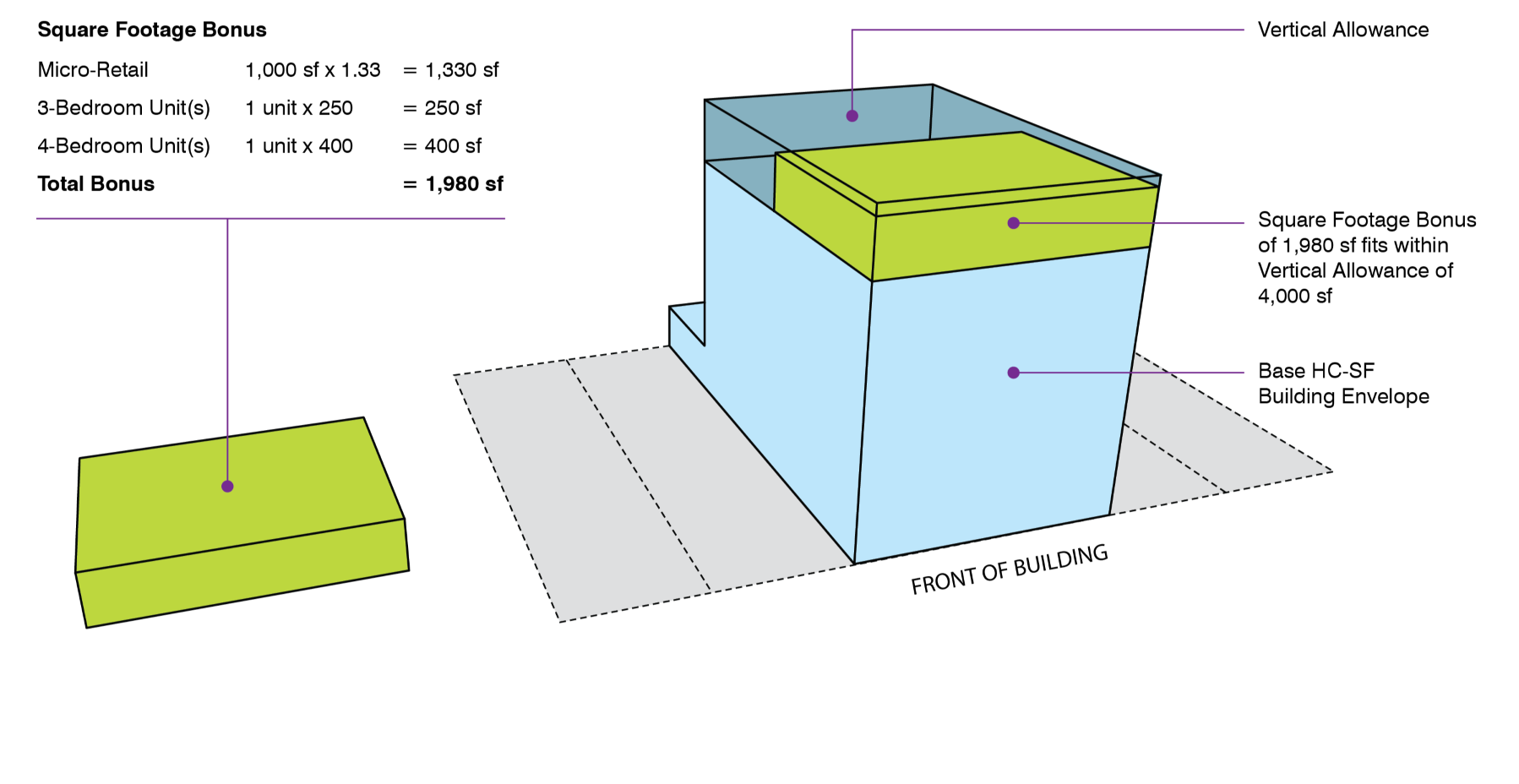
Figure 2. Example 1A, “Project in a District other than a Residential District” (click to enlarge)
In Figure 2, on the left is the Square Footage Bonus (bright green) and its calculation. On the right is the Square Footage Bonus (bark blue) of 1,980 square feet fitting within the 10-foot Vertical Allowance of 4,000 square feet on top of the Base Building Envelope (bright blue).
In using Example 1B, described in Step 1, where the commercial square footage is eligible for multiple incentives, the total square footage bonus equals 6,480 square feet but would be constrained by the 4,000 square foot floor plate of the 10-foot allowance, resulting in a contracted square footage bonus of 4,000 square feet.
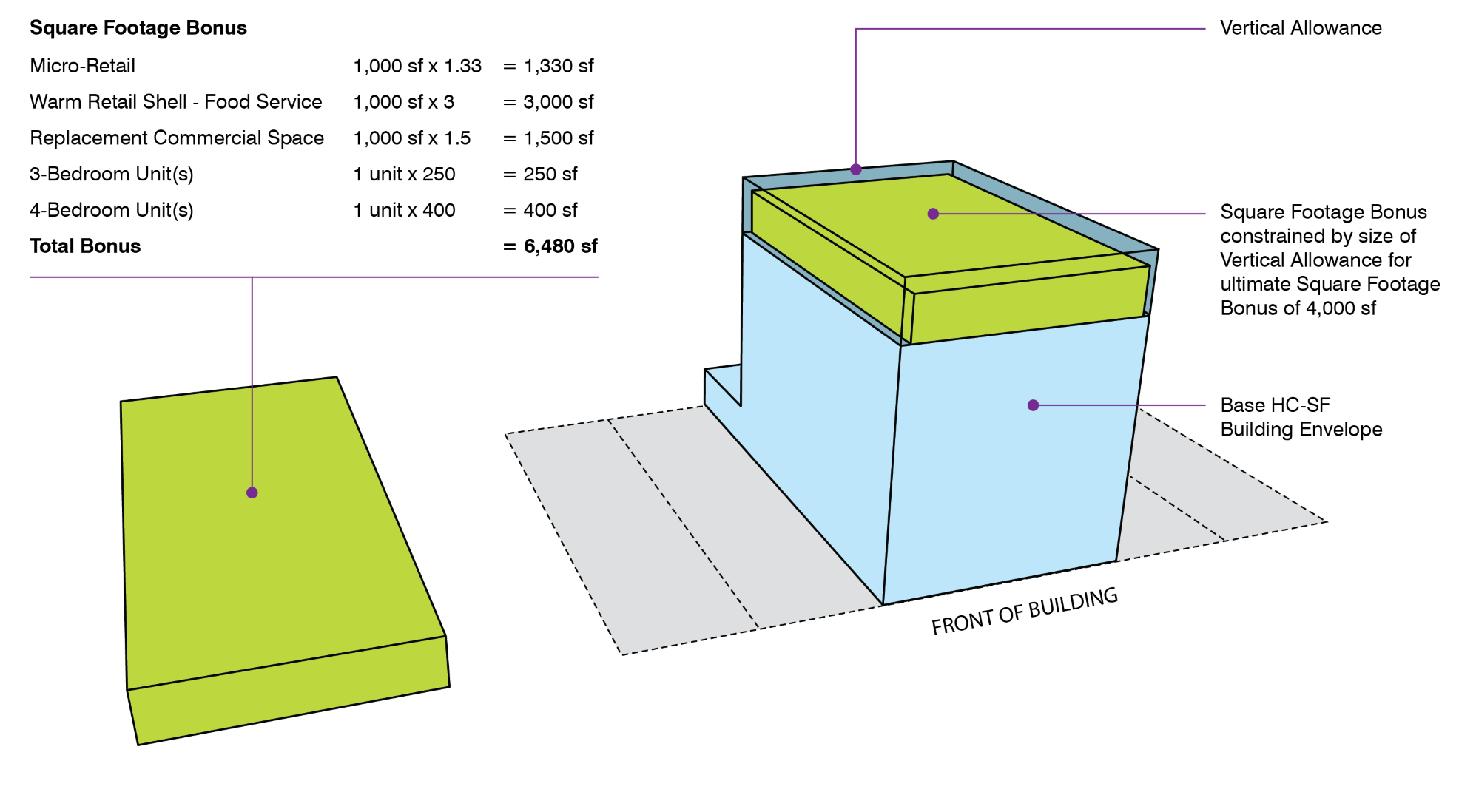
Figure 3. Example 1B “Project in a District other than a Residential District” (click to enlarge)
In Figure 3, on the left is a larger Square Footage Bonus (bright green) enabled by more incentive credits. However, as shown on the right, the Square Footage Bonus is ultimately constrained by the Vertical Allowance’s lesser square footage (bright blue) for a contracted square footage bonus of 4,000 sf.
Example 2: Vertical and/or Horizontal Allowance for Preservation Projects
A maximum 20-foot vertical allowance is available outside of Residential Districts for Preservation incentives. Separately, the 10-foot vertical allowance is available for the "Replacement of Commercial Space" incentive. The two can be combined for a total vertical bonus of 30 feet.
In using Example 2, described in Step 1, if the preservation project featured a top floor plate of 6,000 square feet, the 19,000 square foot bonus would be larger than - and constrained by - the 18,000 square feet of the 30-foot vertical allowance. (Three floors multiplied by 6,000 square feet for each floor equals 18,000). Therefore, the ultimate square footage bonus would be 18,000.
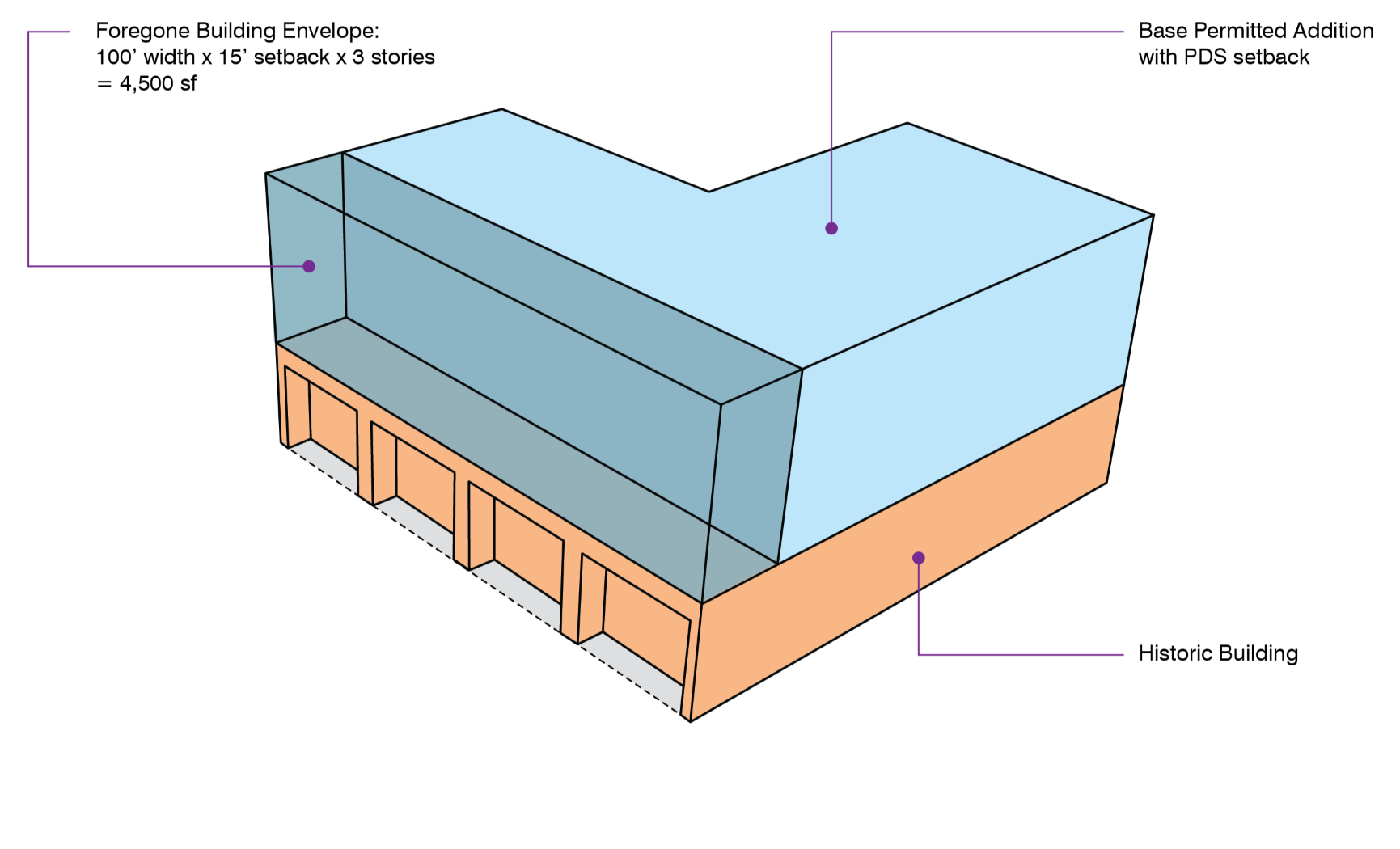
Figure 4. Example 2 “Preservation Project” - horizontal allowance (click to enlarge)
Figure 4 shows a project including an addition to a historic property (orange) that meets the Preservation Design Standards by including a 15-foot setback above the historic building (dark blue). The 15-foot setback creates the forgone building envelope and Base Permitted Addition (bright blue) which is the basis for determining the project’s Square Footage Bonus shown in Figure 5.
Note that the square footage bonus created by the preservation incentives can be accommodated in either vertical (Figure 4) or horizontal (Figure 5) allowances (subject to the conditions in Section 206.10(e) (6)).
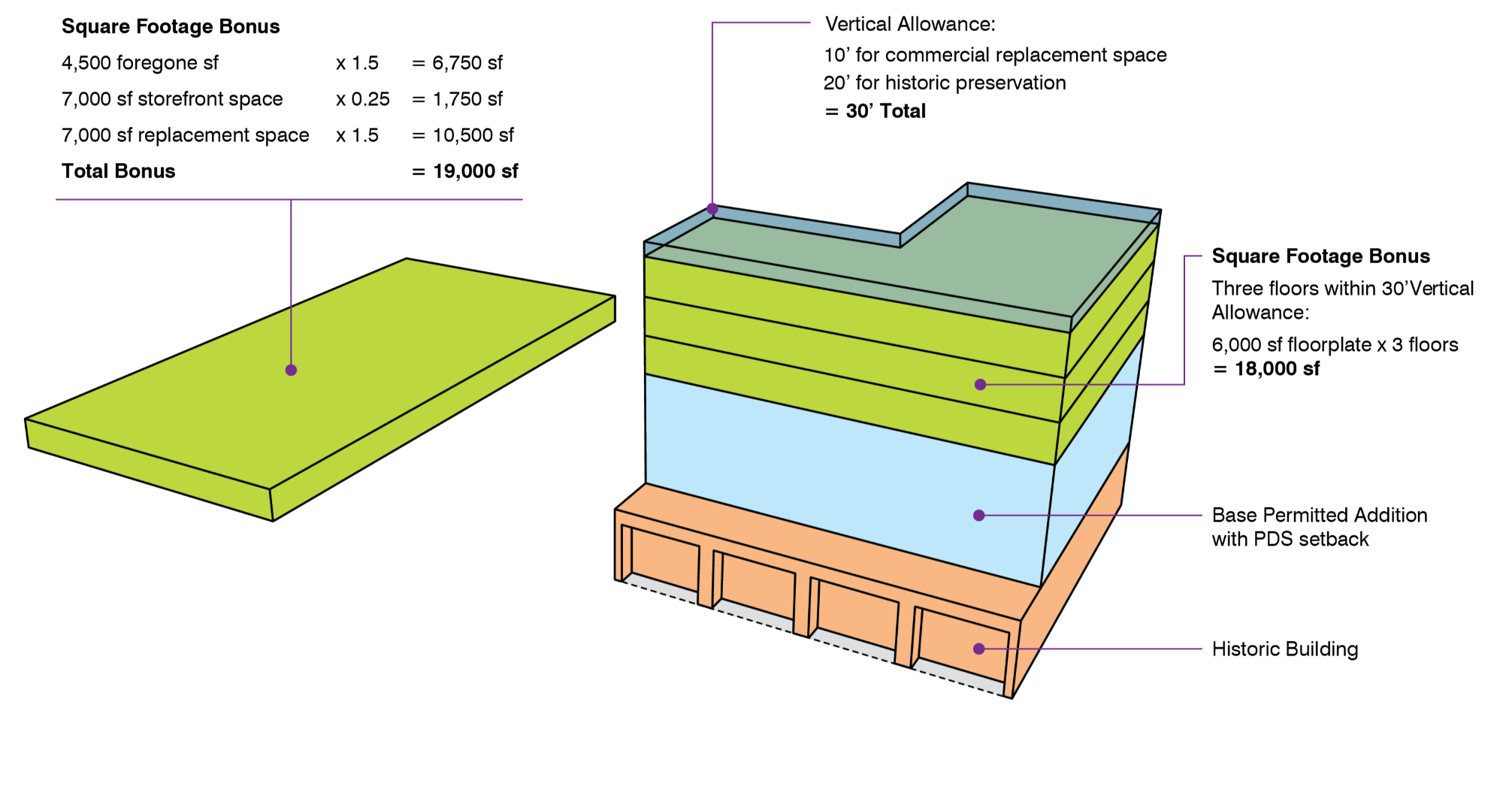
Figure 5. Example 2 “Preservation Project” - vertical allowance (click to enlarge)
In Figure 5, on the left is the Square Footage Bonus (bright green) and its calculation, which includes, in part, the forgone area of the required front setback. On the right is the Square Footage Bonus accommodated within the 30-foot Vertical Allowance, which sits above the Base Permitted Addition (bright blue) consisting of a 10-foot Vertical Allowance associated with the Commercial Replacement Space incentive and a 20-foot Vertical Allowance associated with the preservation incentives producing an additional three floors.
Example 3: Horizontal Allowance Residential Districts
In Residential districts, projects are only eligible to receive horizontal allowances, not vertical allowances. To receive the bonus, projects may provide various incentives, including Family Friendly Amenities, two-bedroom units (above the amount required), and three-bedroom or four-plus- bedroom units (including required units under applicable "dwelling unit mix" standards). See Table 3 and/or Planning Code Section 206.10(e) for the multiplier and square footage bonuses allowed for each.
Horizontal allowance will generally be located at the rear of the site and will consist of the volumetric difference between the base HC-SF building envelope and a horizontal allowance as defined by the reduction of the required rear yard pursuant to Section 206.10(e) (3)-(4). Specifically, this reduced rear yard is equal to18 percent or 15 feet of lot depth, whichever is greater at the ground level, and equal to 25 percent or 20 feet of lot depth, whichever is greater above the ground level. Where side setbacks are otherwise required, they can be reduced to 0 feet. In addition, in historic buildings, projects may use a horizontal allowance to reduce the upper story front setback from 15 feet to 10 feet. Any bonus square footage generated by incentives must be fully fit within this additional horizontal allowance and may not exceed the square footage generated by the allowance.
In using Example 3, described in Step 1, the project is entitled to 750 square feet of square footage bonus by including two 3-bedroom units, and a Family Friendly Amenity of 125 square feet must fit within the horizontal allowance as described above. For many R-District lots, the base HC-SF Program building envelope at the rear is defined by a 30% rear yard line along with the application of Citywide Design Standard C.6, which requires reduced building volume at the rear. This example uses Citywide Design C.6.1, which requires providing two five-foot side setbacks above the ground floor and limiting the building height to 30 feet for the portion of the building between 55 percent of lot depth and 30 percent of lot depth.
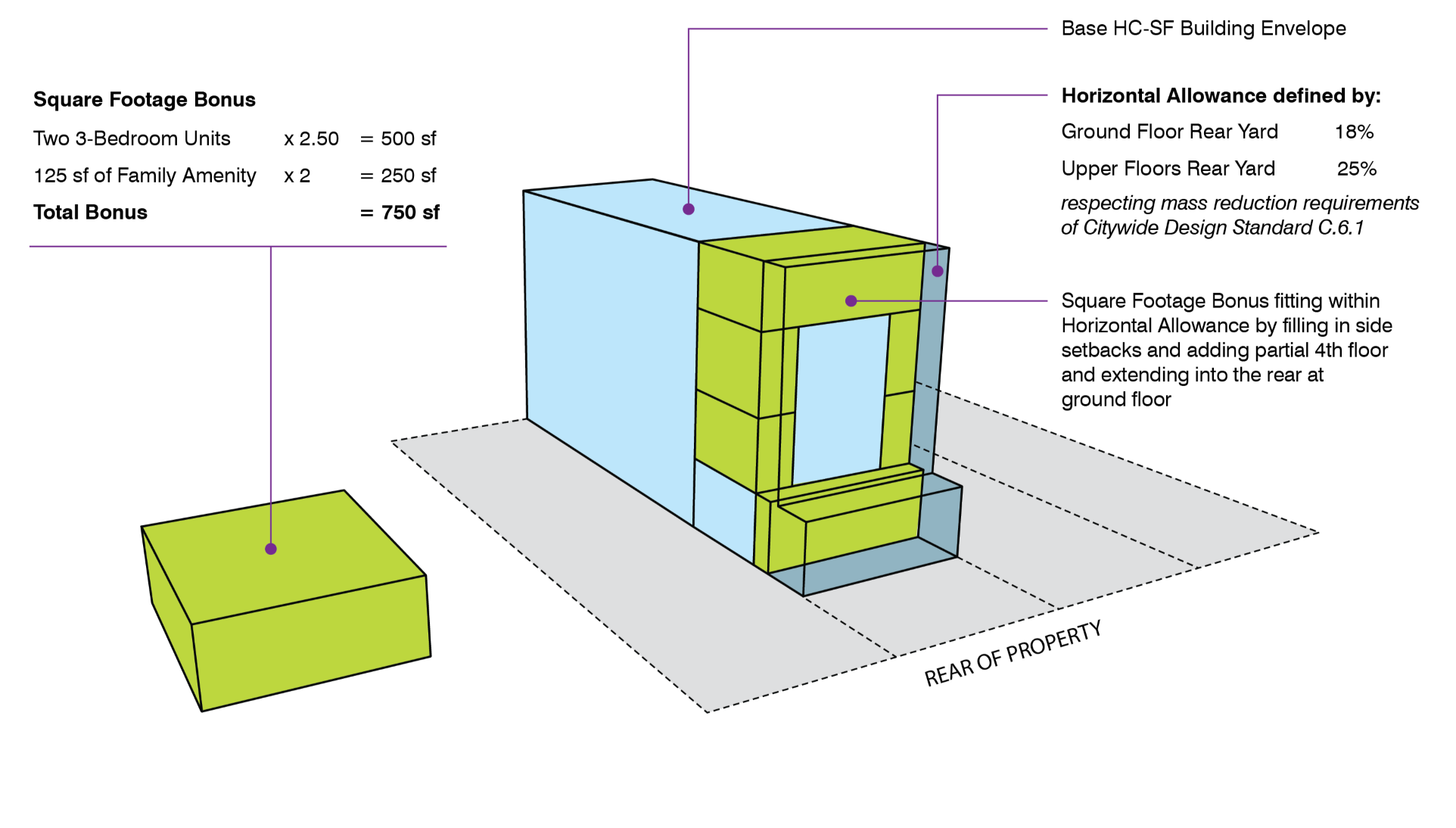
Figure 6. Example 3 “Residential District Project” (click to enlarge)
In Figure 6, on the left is the (bright green) Square Footage Bonus and its calculation. To the right is the Horizontal Allowance defined by the space between the Base Building Envelope (bright blue), which in turn features reduced massing at the rear per Citywide Design Standard C.6.1, and a reduced rear yard. The diagram on the right shows the Square Footage Bonus oriented to fit within the Horizontal Allowance and configured for four floors while still fitting the Base Building Envelope’s reduced rear massing.
As a part of the HC-SF Supplemental Application, projects pursuing any of these incentives will be required to itemize each incentive credit being sought, its resulting square footage bonus, and the location and configuration of the square footage bonus demonstrating that the square footage bonus fits with the respective allowance. The HC-SF Application also requires Project Sponsor to provide this information graphically either with scaled plans and elevations or with scaled 3D diagrams like those shown in this Bulletin.
Major Modifications
Project sponsors that want to use the HC-SF Program for projects that deviate from or do not meet Planning Code and other Objective Standards in one or more ways beyond the modifications and bonuses provided through The HC-SF Program can seek discretionary approval via a Major Modification from the Planning Commission, as provided for in Section 344(d).
Major Modifications - General: Under this Major Modification process, a modification can be requested for any Objective Standard without limit both in terms of the number of modifications requested and the amount of deviation from a given standard, except for standards that are explicitly prohibited from being modified through this process (see below). Note that projects that meet the standards of the HC-SF Program, including modified development standards under Section 206.10(d) described therein and the horizontal and/or vertical bonuses permitted via incentives under Section 206.10(e), are considered code compliant and do not need to seek a Major Modification. (Section 334(d))
Similar to the description required to seek the 15% modification, the project sponsor will be asked in the HC-SF Supplemental Application to itemize each feature for which a Major Modification is being sought. Specifically, the sponsor must provide the project feature being modified, the base standard for the feature being modified, and the amount of deviation both numerically and as a percentage.
For example, if a project sponsor is requesting a modification of the bay depth limit, a provided table would indicate:
| Project Element | Objective Standard | Code Section | Proposal | Deviation - Numerical | Deviation - Percentage |
|---|---|---|---|---|---|
| On east façade, northern most bay | 36-inch bay depth | 136(c) | 48-inch bay depth | 12 inches | 33% |
Exclusions: Notwithstanding the above, Major Modification Process cannot be used to modify the following Planning Code standards: (1) maximum building height; (2) maximum permitted off-street parking amounts; (3) wind standards; (4) minimum density requirements; (5) Floor Area Ratios (FAR) limits; (6) standards provided in Section 1.7, "Compliance"; (7) standards and requirements provided Article 3, "Zoning Procedures", (8) requirements provided Section 3.5, "Fees"; (9) satisfaction of development impact fees provided in Article 4; (10) standards regarding Historic Landmarks and Structures provided in Articles 10 and 11, (11) the Transportation Demand Management Program requirements of Section 169, (12) dwelling unit mix; and (13) any standard or provision adopted by the voters. (Section 334(d)(3))
Major Modification Findings: While there is no limit to the number of Major Modifications or amount of deviation from a standard that can be sought, approval of a Major Modification requires that the Planning Commission make both of the following findings (Section 334(d)(4)):
- (a) that the proposed modification achieves equal or superior design quality, and
- (b) the project would provide a significant community benefit by producing housing near transit, or otherwise promote the general welfare.
The Planning Commission can also subject a HC-SF Program project to conditions to address potential impacts related to the granting of the Major Modification.
Other Modification and Variance Processes Still Available: Processes described elsewhere in the Planning Code to modify or vary standards that cannot be modified through the HC-SF Program including the Major Modification process, can still be pursued under those respective processes where applicable. Additional applications will be required for those respective approvals. (Section 334(d)(2))
The HC-SF Program Review Process
The review process for HC-SF Program approval is incorporated into the Planning Department's overall review of development projects. Project sponsors are required to fill out a HC-SF Program Supplemental Application along with the Project Development Application.
Other supplemental applications, including but not limited to those for Environmental Review, Coastal Zone Permit Review, Conditional Use, including for proposed land uses not otherwise principally permitted by the HC-SF Program, Preservation approvals such as Certificates of Appropriateness, and Ministerial Review may also be required, depending on the nature of the development and the application pathway being sought. See the Planning Approval webpage for more information about the overall development review process.
Ministerial Review
Projects that comply with applicable Objective Standards, including those established under the HC-SF Program, may be eligible for ministerial review processes, including the Housing Choice-San Francisco Housing Sustainability District (Section 344), which was created in parallel with the HC-SF Program. Eligibility criteria, project requirements and review procedures for these ministerial pathways are often more specific and, in some cases, more restrictive than those applicable to HC-SF Program projects that do not utilize ministerial review. In exchange, these processes provide more streamlined and time-certain review timelines. Additional information regarding ministerial review options is provided in Director's Bulletin Nos. 5, 8, and 9. Project sponsors must affirmatively apply for ministerial review programs. The Planning Department will not process a project under a ministerial review pathway unless the project sponsor has explicitly requested such review.
Review Timelines
For Projects not seeking a Major Modification and not requiring environmental review under CEQA, the Planning Department is required to complete review within 180 days of receiving a complete application.
For Projects seeking a Major Modification, the Planning Commission is required to hold a hearing on the application within 180 days of receiving a complete application.
Note that these 180-day deadlines may not apply where the Environmental Review Officer determines that environmental review will take longer than 180 days. (Section 334(c) (6))
Appeals
Planning Department review and determination for HC-SF Program projects under Planning Code Section 206.10 and 344(c) is not appealable.
Discretionary Review
Pursuant to Planning Code Section 334(b)(3) and Planning Commission Resolution No. 21810, the Commission will not consider any Discretionary Review requests for projects seeking approval under The HC-SF Program.
Footnotes
1 Note that historic properties that are listed in Article 10 or 11 (except those identified as non-contributory to historic districts) are not included in the R-4 Height and Bulk District and are therefore ineligible.
2 Objective Standards is defined in the Planning Code generally as design standards that are not based on subjective judgement, including those in the Planning Code and any other adopted standards, such as the San Francisco Design Standards and its component parts, the Citywide Design Standards, and Preservation Design Standards.
3 Utilization of programs that disqualify projects from the HC-SF Program include but are not limited to those under California Government Code Section 659120.113(e), 65912.114(f) (1), 65912.123(b), (c), (e), (i), (j)(1), and (j) (3), and 65912.124(f), and Sections 65852.28(b)(2), 65913.4.5 and 66499.41, as may be updated from time to time; and Planning Code section 124(f), Section 202.2(f), Sections 206.3 to 206.9, inclusive, Section 207(c), Section 304, and Section 328.
4 Note that Motels are a distinct use from Hotels, as defined in Section 102, and thus projects involving the demolition or conversion of Motels may be eligible for the program.
5 Projects that utilize ministerial programs that do require on-site affordable units will still be subject to requirements under those respective programs.
6 The terminology of "HC-SF base building envelope", "square footage bonus", "vertical allowance", and "horizontal allowance" are used in this Bulletin for the sake of providing clarity and are not specific terms defined or used in the Planning Code.